100s OF NEW ARRIVALS DROPPING WEEKLY 💙

GIFT CARDS GIFT CARDS LOVE & STYLE FILES LOVE & STYLE FILES

How to Style Dresses in Winter: Layering, Boots and Cosy Textures

Styling dresses in winter involves layering them with cosy tops, knits and coats – just add tights and boots for a comfortable, polished cold-weather look.

When degrees outside drop, dresses don’t need to disappear into the back of your wardrobe. With thoughtful layers, warm textures and the right footwear, your favourite dresses can stay super versatile all season.

Learning how to wear dresses in winter begins with balancing warmth and proportion. The aim is to build an outfit that feels cosy without becoming bulky. A long-sleeved base, soft knit, structured coat and dependable boots can turn a lightweight dress into a practical cold-weather look.

Winter dress styling is also useful for travel. Whether you are escaping to a cooler part of Australia or planning an overseas white Christmas, dresses can help you build comfortable outfits with fewer individual pieces. Here is how to style them throughout winter and transition them smoothly into spring.

Start with a Winter-Friendly Dress

Although almost any dress can be layered, some styles provide a particularly strong foundation for winter outfits.

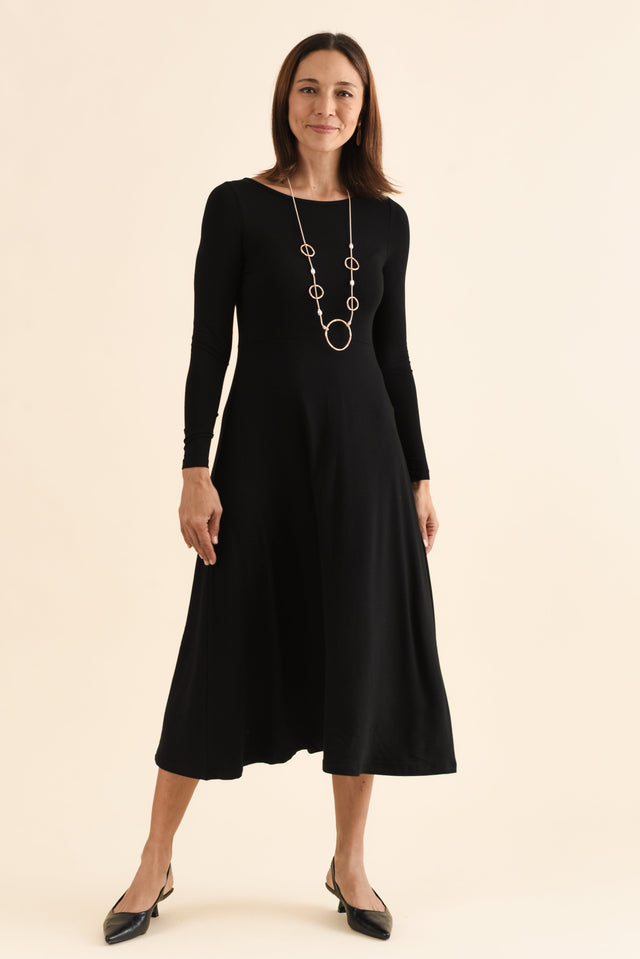
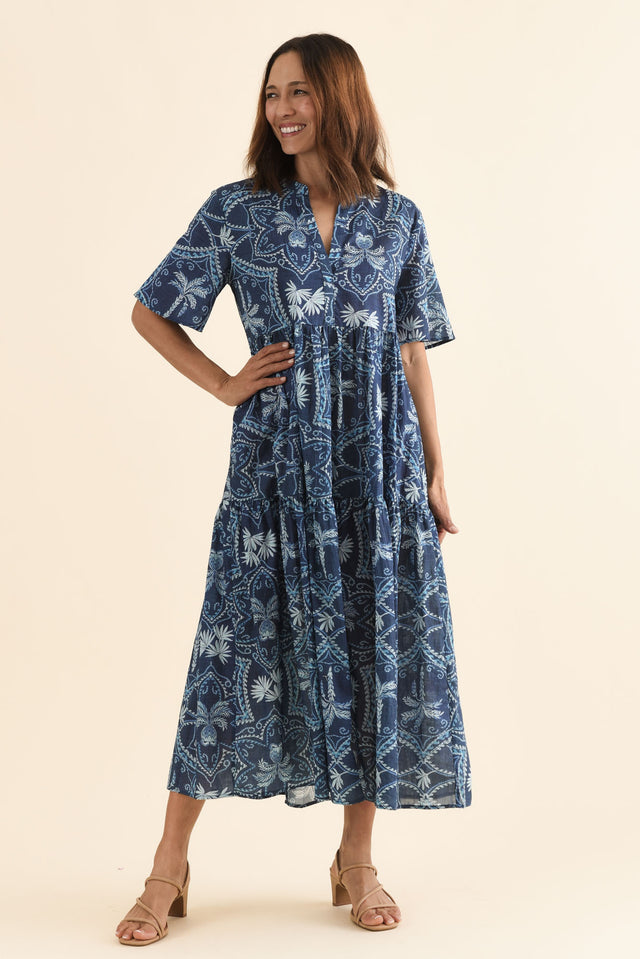
Sleeved dresses offer instant coverage and minimise the number of layers you need to add. Browse sleeved dresses for styles that can be worn alone on mild days or layered under knitwear and coats when the temperature falls.

Length also matters. Midi dresses pair easily with ankle boots, loafers and knee-high boots, while maxi dresses provide additional leg coverage and create an elegant winter silhouette.

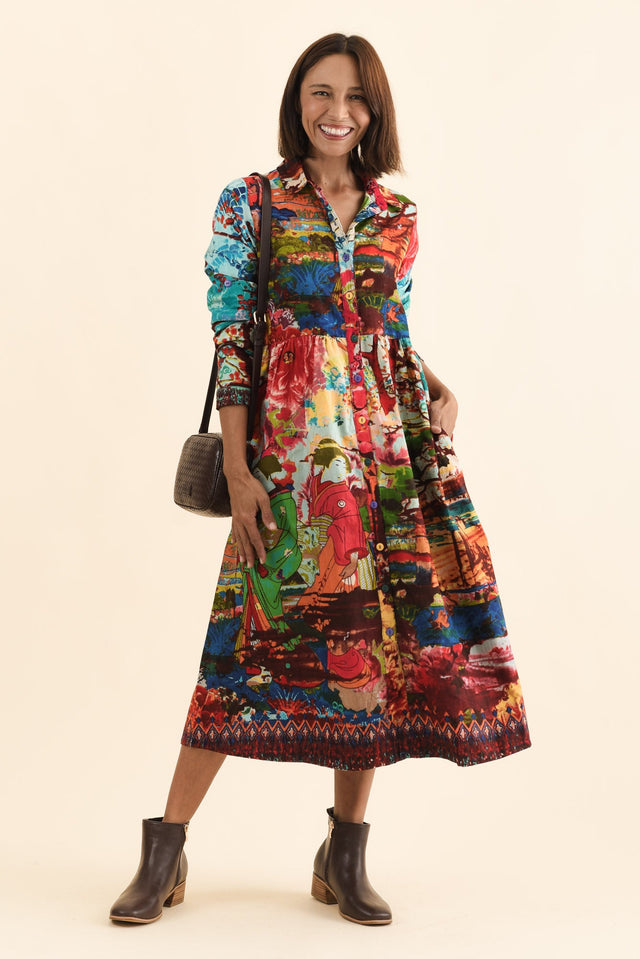
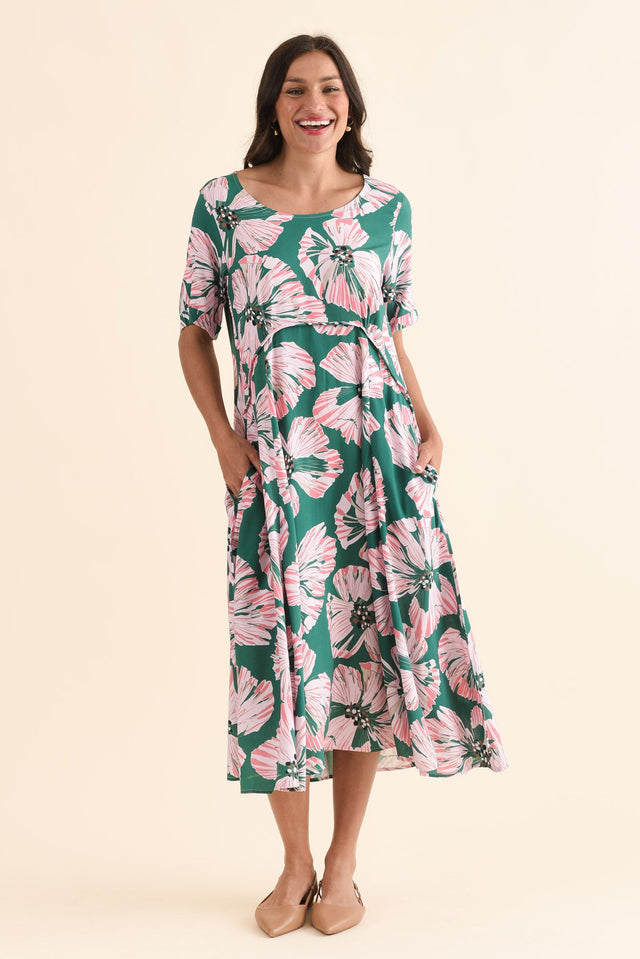
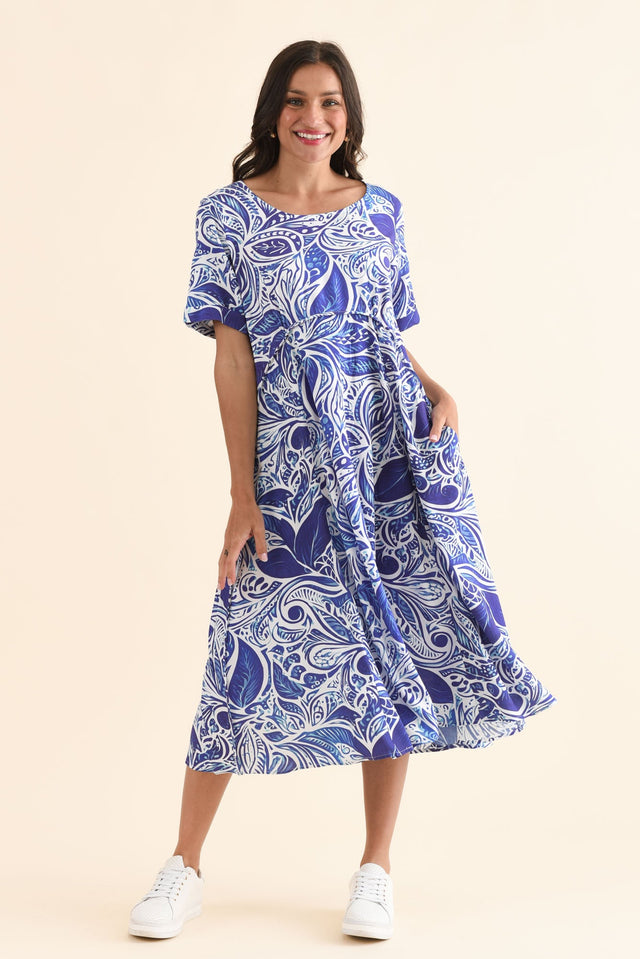
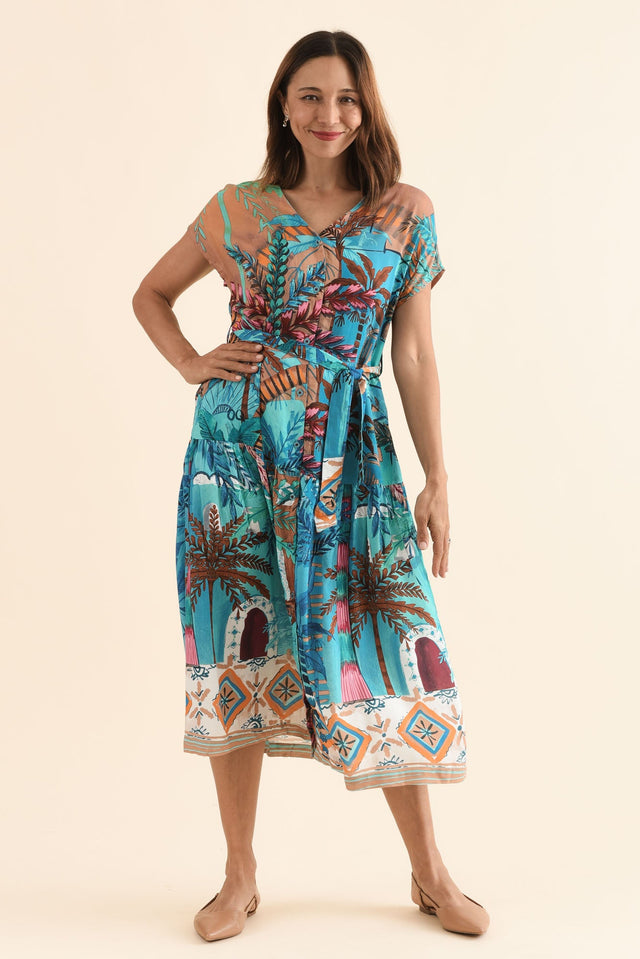
Printed dresses can bring colour and personality to a season dominated by dark neutrals. Florals, abstract patterns and rich jewel tones all work well in winter, particularly when grounded with black, navy, chocolate or tan accessories.

For maximum versatility, look for dresses that do not feel excessively fitted. A little room through the body will allow you to add a thermal or long-sleeved top underneath without affecting the shape.

Master the Art of Winter Layering

Good layering traps warmth while allowing each style to sit comfortably. Rather than relying on one extremely heavy item, combine several considered layers that can be removed as the day warms up.

Add an invisible base layer

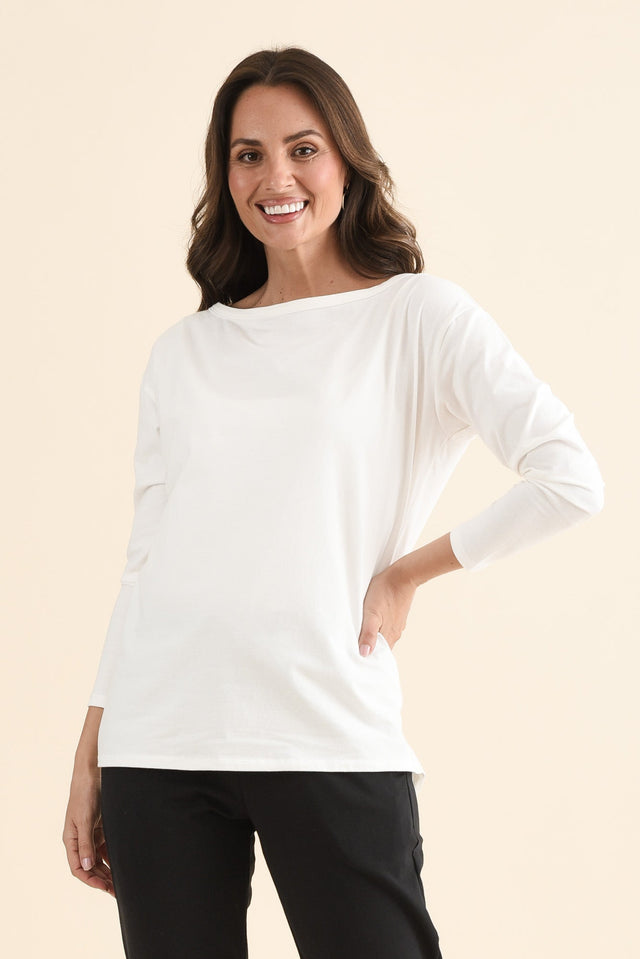
Start with a lightweight thermal, fitted long-sleeved top or fine camisole underneath your dress. A thin base layer can add warmth without changing the overall appearance of the outfit.

Choose a neckline that remains hidden beneath the dress or make the underlayer intentional. A fitted turtleneck underneath a sleeveless or V-neck dress creates a polished, contemporary combination.

Tights or leggings are another simple addition. Opaque tights create a streamlined look with knee-length and midi dresses, while thermal leggings can be worn discreetly underneath longer hemlines.

Layer knitwear over your dress

A jumper worn over a dress makes the dress appear more like a skirt, instantly creating a new outfit. Cropped knits naturally preserve waist definition, while longer jumpers can be gently tucked into a belt to create shape.

Cardigans are useful when you want adjustable warmth. Leave a cardigan open to maintain the vertical line of the dress, or button it and add a belt for a more defined silhouette.

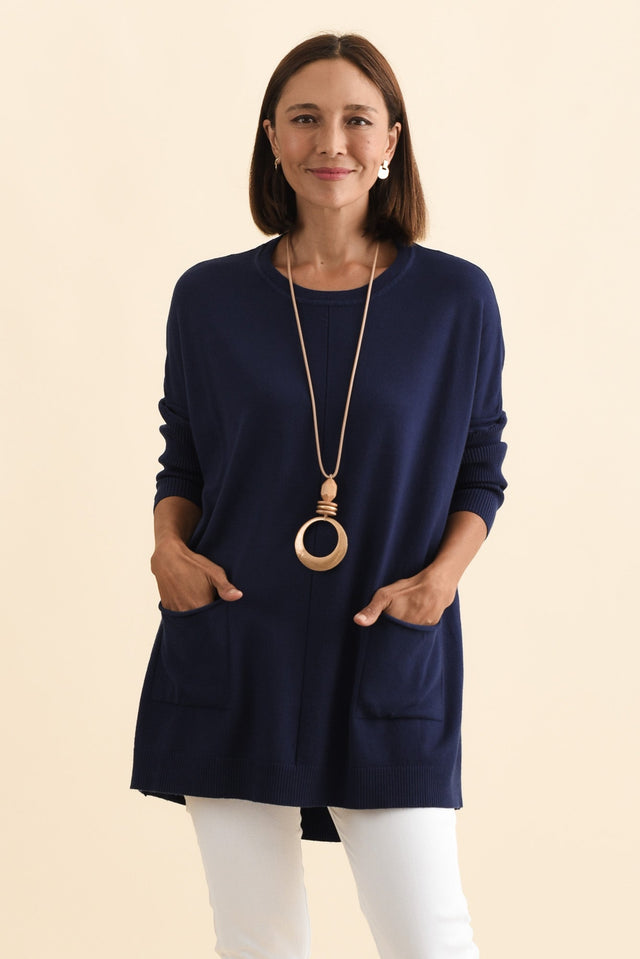
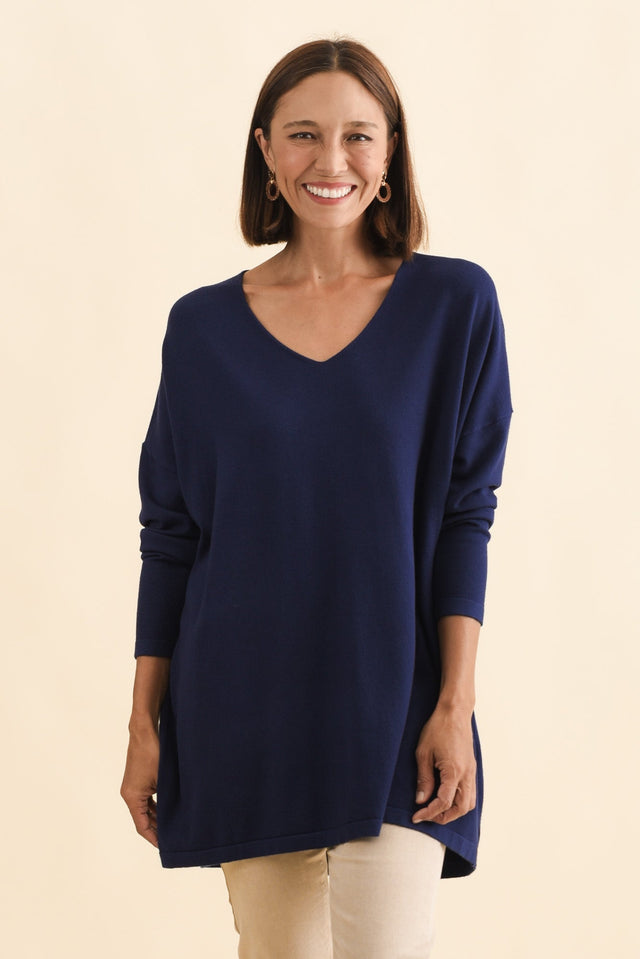
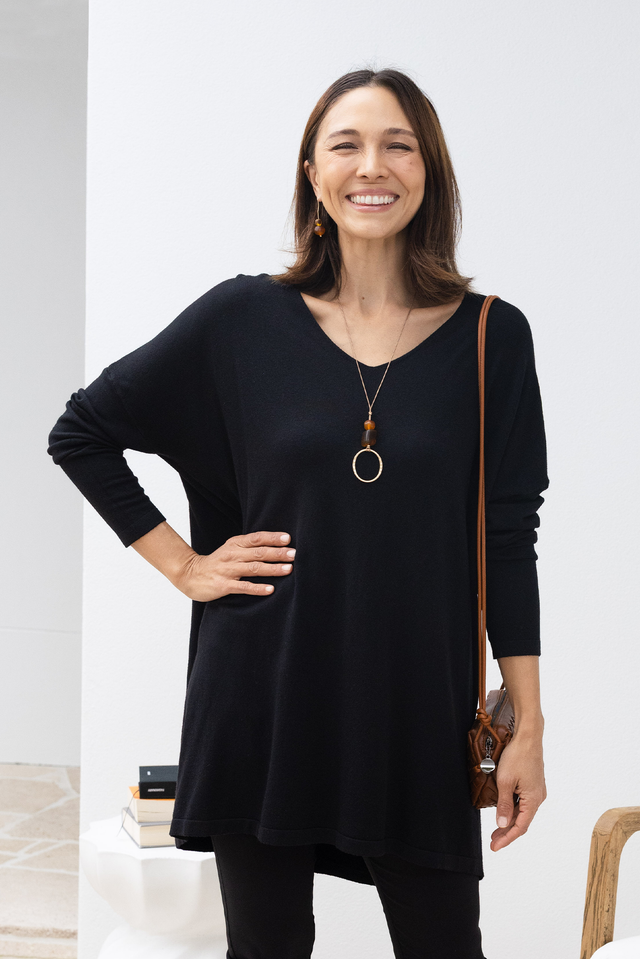
Explore knits and jumpers in neutral shades for maximum outfit flexibility. Black, navy, grey, cream and camel can be worn across multiple dresses, while a colourful knit can enliven a simple base.

Finish with outerwear

A coat is often the most visible part of a winter outfit, so consider how its length works with your dress. A long coat worn over a midi or maxi dress creates a cohesive line and offers generous coverage. A shorter jacket can define the waist and balance a fuller skirt.

Structured outerwear makes a flowing dress feel polished, while softly draped coats support a more relaxed look. Browse women’s coats or explore the wider winter clothing collection to build a complete cold-weather wardrobe.


Wear Dresses with Boots, Ponchos and Knits

The right footwear anchors a winter dress and helps protect you from cold or wet conditions.

Ankle boots are among the easiest options. They work with most dress lengths and can move between casual and dressier settings. Match black boots with dark tights for an uninterrupted line or choose tan boots to soften a printed or neutral outfit.

Knee-high boots provide extra warmth and work particularly well under midi dresses. Because the top of the boot sits beneath the hem, there is less exposed leg, creating a practical choice for colder days.

For a relaxed look, consider flat or low-heeled boots. A block heel offers additional height while remaining comfortable for lunches, workdays and travel. Always choose footwear with suitable grip when dressing for rain, frost or snowy overseas conditions.

Layers and accessories add both warmth and interest. A scarf can introduce colour near the face, while a poncho finishes the outfit and a knit adds cosy coverage. Gloves and warm socks can make a significant difference when you are outdoors for extended periods.

Marry colour to make the look cohesive. Try picking a poncho or knit in a shade from your dress print. A scarf, handbag or pair of boots will work in a related hue without requiring an exact match.

Transition Winter Dresses into Spring

Late winter and early spring can bring cold mornings, sunny afternoons and frequent temperature changes. Dresses are particularly useful during this period because the layers can be adjusted throughout the day.

Begin with the full winter formula: dress, base layer, knitwear, outerwear and boots. As conditions become milder, remove one layer at a time. Swap a heavy coat for a lighter jacket, replace a thick jumper with a cardigan, or exchange opaque tights for bare legs.

Colour can also help signal the seasonal shift. Pair your winter dress with cream, stone, soft blue or lighter accessories rather than exclusively dark shades. Florals and brighter prints can be worn early in the season when balanced with practical knitwear and closed shoes.

A sleeved midi dress is especially effective during the transition. Wear it with boots and a coat in cooler weather, then switch to sneakers or loafers as spring arrives. This extends the useful life of the dress and reduces the need for a completely separate wardrobe between seasons.

For travel, use the same principle. Pack a dress that works with both your warmest coat and your lightest knit. Changing the footwear and outer layer will allow you to adapt the outfit to different destinations and temperatures.

Keep Wearing Your Favourite Dresses All Winter

The key to wearing dresses in winter is not finding one perfect style – it’s creating a flexible system of layers. Start with a comfortable sleeved, midi or maxi dress, add a discreet base layer, introduce cosy knitwear and finish with weather-appropriate outerwear and boots.

Pay attention to proportion so each layer works with the dress rather than overwhelming it. Long coats create clean lines, cropped knits define the waist and tonal tights and boots can visually lengthen the outfit.

With this approach, dresses can carry you through cold Australian days, winter holidays and the gradual transition into spring. Instead of limiting your wardrobe, winter becomes an opportunity to discover new combinations from pieces you already enjoy wearing.

Answering Your Frequently Asked Questions

Wear a fitted thermal or long-sleeved base layer underneath your dress, then add tights or leggings, knitwear and a coat. Finish with warm socks and boots. Several lightweight layers often provide more flexibility than one bulky style.

Ankle boots, knee-high boots and weather-resistant flat boots are practical choices. Ankle boots suit most dress lengths, while knee-high boots add warmth beneath midi dresses. Choose a sole with adequate grip for wet, icy or snowy conditions.

Yes. Layer a fitted top or turtleneck underneath, wear a jumper or cardigan over it, and add tights, boots and a coat. Lightweight summer dresses are most suitable when they have enough room to accommodate an underlayer.

Long coats work especially well with midi and maxi dresses because they create a streamlined silhouette. Cropped jackets can complement fit-and-flare dresses or define the waist. The best option depends on the dress shape, weather and level of formality.

Just added to your wishlist:
My Wishlist
You've just added this product to the cart:
Go to cart page

Select a size to wishlist