







Silk Care Guide

Caring For Your Silk Clothing
Ah, silk… is there anything more luxurious than a silky, soft kaftan?
Just add on a pair of dainty earrings, statement sandals or a small heel, and you’re ready for any occasion.
But have you ever wondered how silk is made or how to care for your favourite Blue Bungalow silk garments? If so, read on…
Why Choose Silk
Luxurious Feel
Silk is celebrated for its naturally luminous sheen and sumptuously smooth feel — a fabric that feels as refined as it looks. Its ultra‑fine fibres create a luxurious tactile experience. Silk’s exceptional softness makes it the perfect choice for those seeking elevated comfort.
Thermoregulation
Despite its elegant look, silk is wonderfully breathable and thermoregulating, helping you stay cool when it’s warm yet insulated when the temperature dips. This natural temperature‑balancing quality makes silk a versatile standout — perfect for both relaxed daytime pieces and event styles.
Lasting Quality
While silk feels delicate, its protein‑based fibres are surprisingly strong and long‑lasting when cared for properly. Silk garments maintain their beautiful drape and rich colour over time, offering enduring elegance that makes them a valuable investment to cherish season after season.
Care Instructions
Can you wash silk?
We recommend dry cleaning, as even the most gentle washing can be too rough! Silk is precious and should be treated as such.
But, if you don’t have access to a dry cleaner (say, on your next trip through the Italian Riviera), you can carefully hand-wash using cold water and a gentle detergent. Avoid wringing or twisting, as this can damage the fibres. Instead, gently move the garment through the water, rinse thoroughly to remove any soap, then roll it in a towel to absorb excess moisture before hanging to dry in the shade. Whatever you do, avoid heavy detergents, stain removers and bleach, and never put silk in the dryer or in the sun!
Can you iron silk?
Yes, you can iron silk clothing but make sure that you do so on the lowest heat setting. Keep your silk garment slightly damp and turned inside out.
We also recommend using a tea towel between the garment and the iron to avoid leaving any marks or damage.
Silk is generally better suited to steaming so you may want to try hanging up your silk dress while you have a hot shower - this will often be enough to get any pesky wrinkles out - or use a steamer if you have one on hand (but be careful that it doesn’t drip water on your clothes).
How to remove a stain on silk?
Water can stain silk because the fibres absorb it and dry very quickly. If you need to spot clean, don’t rub the stain with water, as this could permanently damage the fibres. Instead, gently blot the area with a slightly damp cloth before hand washing the entire garment. If the stain doesn’t lift, it’s best to visit the dry cleaners.
Does silk shrink when washed?
Silk is a natural fibre and, depending on how it was woven, can shrink or lose its shape if exposed to hot temperatures. To protect your garments, avoid hot water, hot dryers, and direct sunlight. Whenever possible, leave silk cleaning to the professionals, as dry cleaners have the expertise to preserve its delicate fibres.
Answering Your Frequntly Asked Questions
Silk can seem tricky to deal with, but once you know the basics, you’ll see that you don’t need to drive yourself crazy with worry.
First, be careful when applying any deodorants or alcohol-based products such as hairspray or perfumes. Ideally, spray first, and wait until everything is dry before getting dressed.
Second, always follow the care instructions on the garment care label. The directions below are general guidelines and may not be appropriate for every piece.
Silk is made from the fibre produced by larvae to form their cocoons, making it one of the strongest and most durable natural fibres. The silk strands from the cocoon are twisted together to create yarn, which can be dyed before being woven into garments.
Yes! Because of its fine strands and natural fibre, high-quality silk is incredibly lightweight and breathable. This makes it perfect for summer dresses like kaftans, luxurious undergarments and bedding, and more recently, even face masks.
Hot tip: try crinkle cotton if you hate ironing as much as we do!
Silk is more expensive than other fabrics due to its complex production process, which requires thousands of individual fibres to make the fabric used in your garments.
When cared for properly, silk garments can last for years — you might even be able to pass your favourite silk shirt down to your grandchildren. Silk fibres are thin yet incredibly strong, so when thousands are tightly woven together to make your clothes, you know they’ll be a worthwhile investment.
To keep them looking their best, store silk in a cool, dry, and dark place, away from sunlight, which can cause discolouration. Silk is also best kept in breathable garment bags — cotton is ideal, plastic not so much — and it’s wise to check them regularly for moths, because unfortunately, we’re not the only ones who love silky fabrics!
Silk does tend to wrinkle easily, but proper storage can help prevent this.
To avoid creases, hang your silk garments rather than folding them, and keep them separate from other clothes using a breathable garment bag. If you’re packing silk in your suitcase (oh, you fancy, huh?), place a layer of tissue paper between folds and between silk and other garments to protect it.
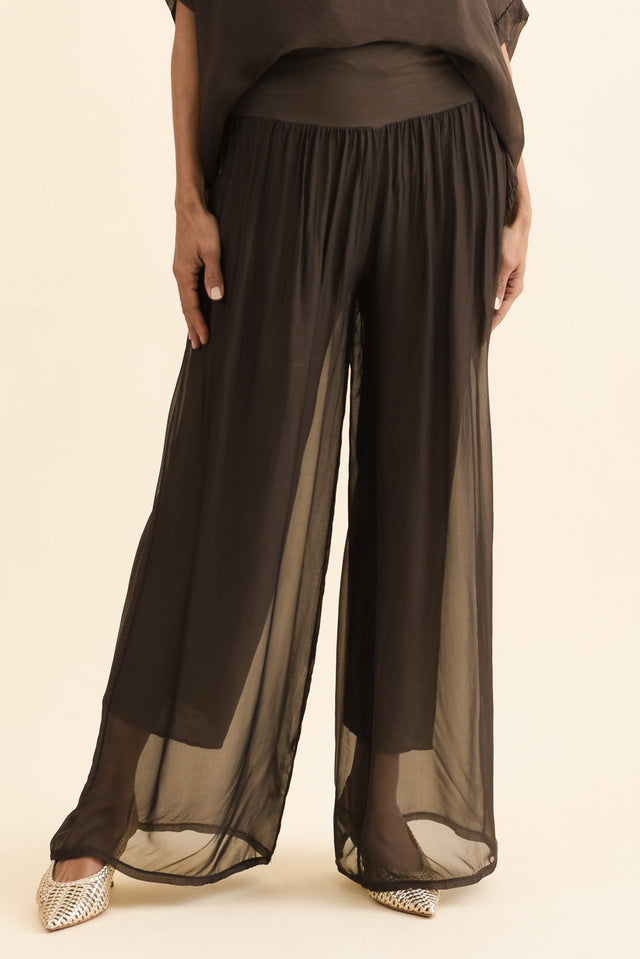
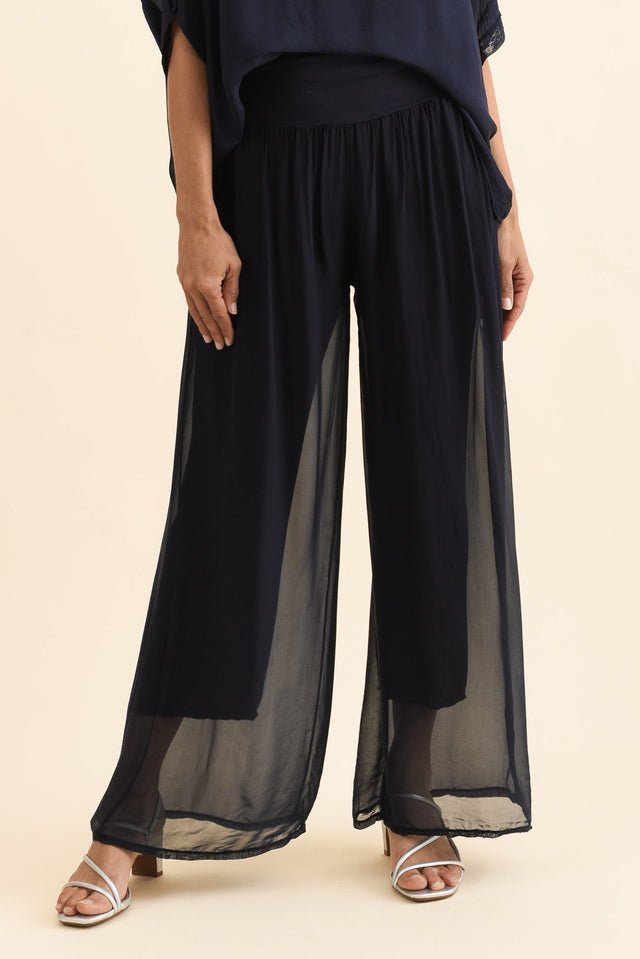
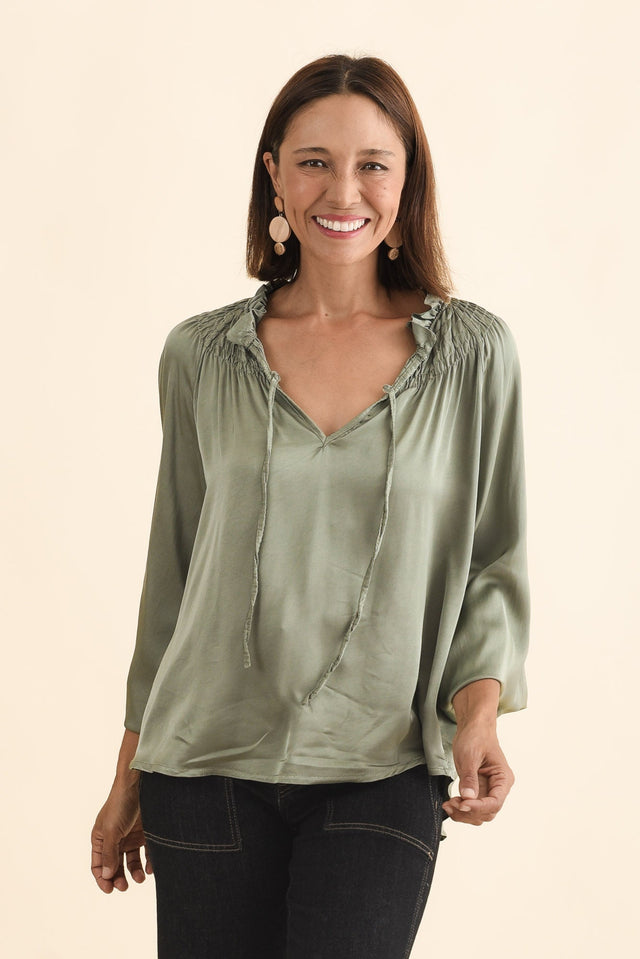
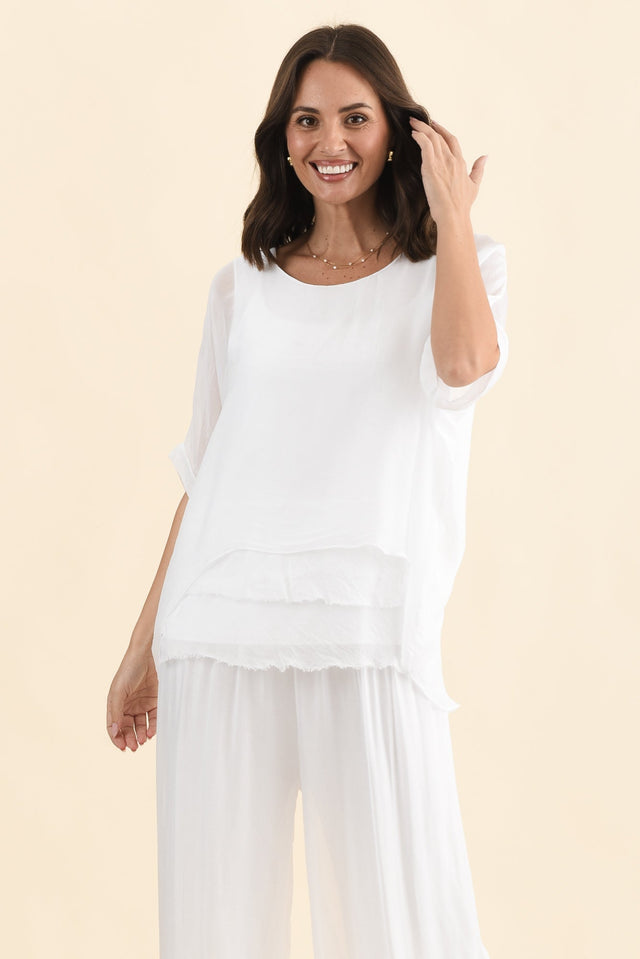
Our Favourite Silk Styles




STILL NEED HELP?
Contact our friendly Customer Service team who can assist with any of your queries.
1300 880 635
help@bluebungalow.com.au
Or hit the LIVE CHAT button in the bottom left of the website.
